
The Importance of Regular Health Screenings
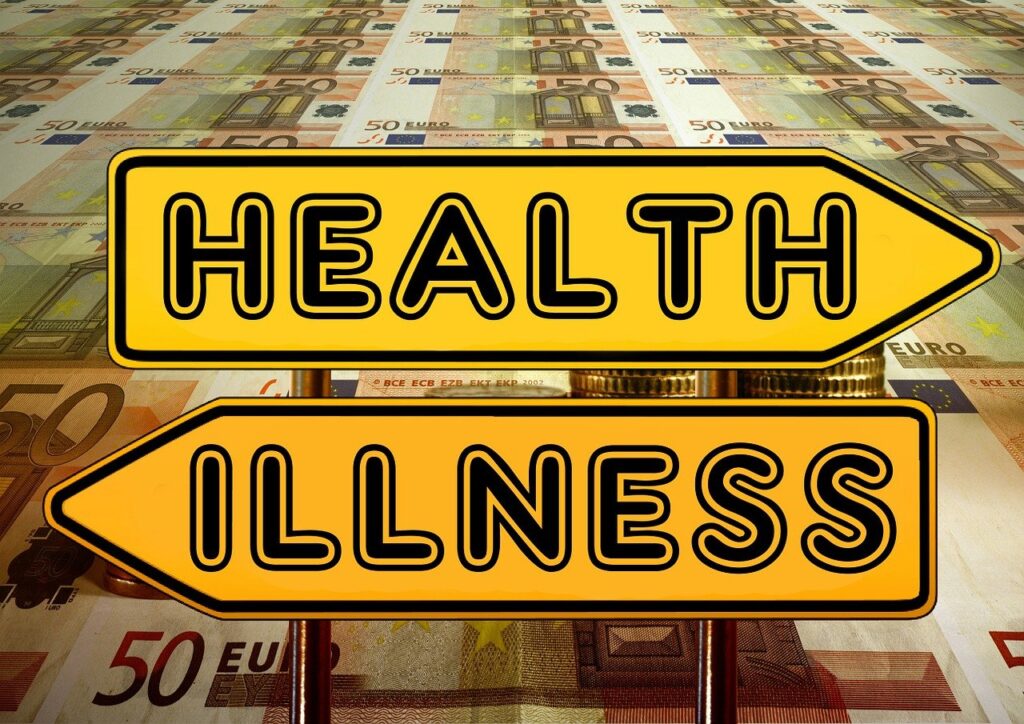
Regular health screenings play a crucial role in preventing, detecting, and managing illnesses early. Routine check-ups help individuals maintain optimal health, reduce risks of chronic diseases, and improve long-term outcomes.
1. Early Detection of Diseases
Screenings can identify conditions such as high blood pressure, diabetes, cancer, and cholesterol imbalances before symptoms appear. Early detection often leads to more effective treatment and better prognosis.
2. Preventive Health Measures
Regular check-ups allow healthcare providers to recommend lifestyle changes, vaccinations, and preventive interventions that reduce the risk of developing serious health issues.
3. Monitoring Existing Conditions
For individuals with chronic conditions, routine screenings help track disease progression, adjust treatments, and prevent complications. Consistent monitoring is key to effective management.
4. Personalized Health Guidance
Screenings provide personalized insights into an individual’s risk factors, including family history, lifestyle, and genetic predispositions. This information guides tailored health recommendations.
5. Promotes Awareness and Accountability
Routine check-ups encourage individuals to stay informed about their health status, fostering proactive habits and accountability for personal wellness.
6. Detects Risk Factors Early
Screenings can identify risk factors like high cholesterol, elevated blood sugar, or abnormal body mass index (BMI), allowing for early lifestyle interventions before conditions develop.
7. Reduces Healthcare Costs
Preventing diseases or catching them early can reduce the need for expensive treatments, hospitalizations, and emergency care over time.
8. Supports Mental Health
Regular screenings provide reassurance and reduce anxiety about unknown health issues. Knowing one’s health status can enhance peace of mind and encourage healthy habits.
9. Encourages Healthy Lifestyle Choices
Health assessments often come with guidance on nutrition, physical activity, sleep, and stress management, motivating individuals to adopt healthier behaviors.
10. Tailored Screening Schedules
The type and frequency of screenings depend on age, sex, family history, and personal health status. Working with a healthcare provider ensures that screenings are relevant and timely.
Incorporating regular health screenings into your routine is a proactive step toward long-term wellness. Early detection, prevention, and personalized guidance empower individuals to take control of their health and improve overall quality of life.

